Wildlife Rescue and Rehabilitation
ARRC regularly cares for injured and orphaned native and non-native species of wildlife.
ARRC has a credible, reputable and qualified team with many years of experience, proven performance and results in caring for and protecting our precious wildlife.
We also demonstrate, educate and inform our community about the importance of respect and responsibility for the well being of our wildlife, animals and natural heritage.
Native wildlife may only be looked after by people who have permission from the Department of Conservation. Non-native wildlife such as thrushes, sparrows and most ducks may be cared for by anyone but it’s important to have a working knowledge on how to care for them.
Since October 2008* ARRC’s Wildlife Rescue has taken in more than 4260 wildlife animals, 1565 of these were native birds and 2695 were non native wildlife.
*accurate at date of print: March 2016
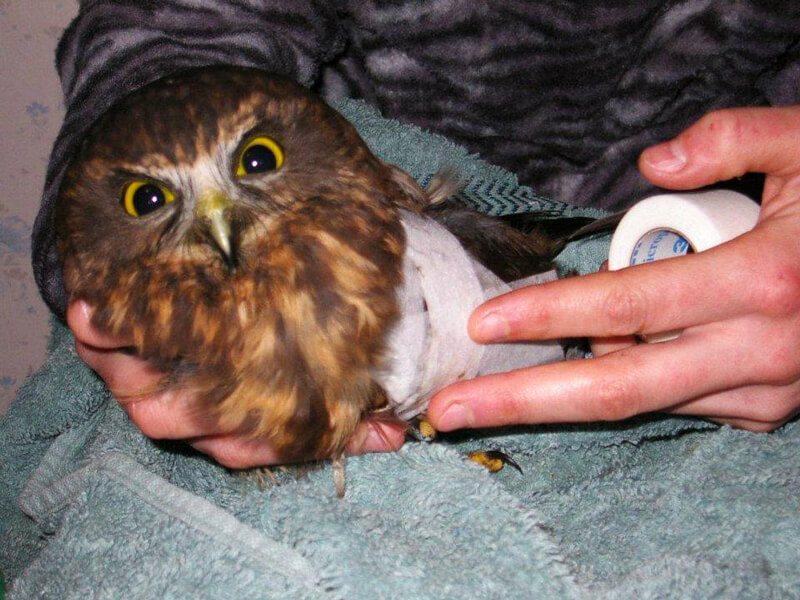
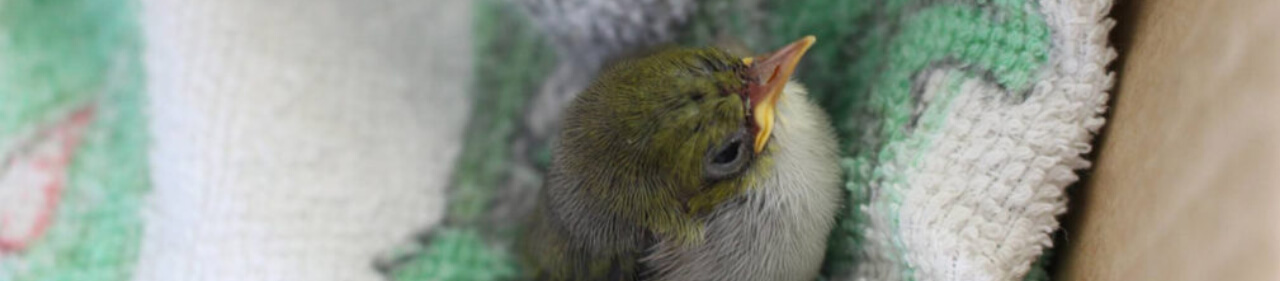
What to do if you have found an injured bird.
- First – observe from a distance to determine if intervention is necessary.
- If injury is obvious, (a drooping wing, a hanging leg or a bleeding wound) and the bird is unresponsive to the threat of an approaching human, then it is likely to need attention.
- Approach birds quietly and calmly ensuring that you do not endanger yourself or the bird in the process.
- Young birds that are fledged and hop, usually have their parents nearby and are best left alone but may be placed up in a nearby a tree or shrub.
- Use a towel or sheet to cover the birds head and enclose their wings to prevent flapping (this also helps with seabirds to limit damage to their waterproofed feathers). Gently, but firmly pick them up holding their wings against their bodies.
- Be careful with Hawks, Owls and Tui’s – their sharp claws can grip very tightly.
- Be wary of powerful beaks with Herons, Gannets and Gulls – they have an incredible reach.
- Place the bird in a box that doesn’t allow too much movement and has ventilation holes. Line the base of the box with leaves, newspaper or an old towel.
- Always keep handling to a minimum to help reduce stress.
- Put the box in a warm (not hot), dark and quiet place, away from cats and dogs and give ARRC a call to determine the next best step.
- For birds that have flown into a window, been found at the side of the road, or been attacked by a cat, that have no obvious injuries, keep in a warm dark box in a quiet place overnight and if ok the next morning then release.
- When transporting birds in a vehicle, be sure to turn the radio/music system off and close car doors quietly.
- If there is a delay in getting the bird to a rehabilitation facility then additional care may be required such as rehydrating the bird or strapping its wing.


